
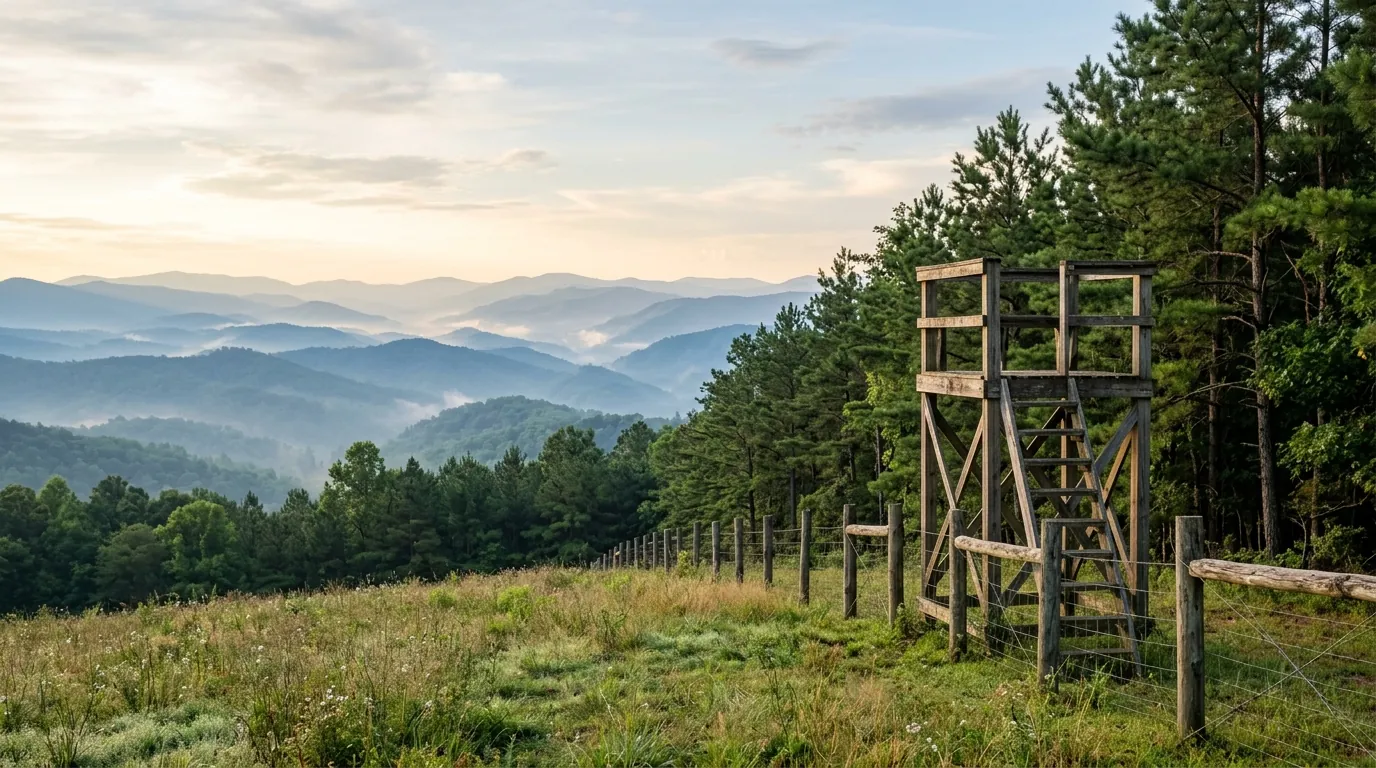
Owner financing provides a vital pathway for purchasing rural land, hunting tracts, farmland, and mountain properties in Georgia when conventional banks decline raw land loans. By negotiating terms directly with sellers through a promissory note and security deed, buyers secure acreage while sellers gain structured payment arrangements, provided essential due diligence on access, utilities, and land rights is completed.
Owner financing bridges the gap for buyers seeking rural land, hunting tracts, and mountain properties in Georgia where conventional bank financing is often unavailable.
Why Conventional Banks Hesitate on Rural Land
When buyers start looking at rural land in Georgia — hunting tracts, farmland, mountain retreats, timber land — they often run into an unexpected hurdle: conventional lenders frequently will not finance raw or rural land at all. When traditional lenders do offer financing, the terms are significantly less favorable than a standard home mortgage.
Traditional mortgage lenders, including banks, credit unions, and conventional mortgage companies, generate profit by selling loans on the secondary market to investors through Fannie Mae and Freddie Mac. Because Fannie Mae and Freddie Mac do not purchase raw land loans, most conventional lenders choose not to write them. Specialized agricultural lenders like AgFirst or Farm Credit do finance rural land, but they enforce strict underwriting standards regarding minimum acreage, specific land use, and buyer credit qualifications.
This leaves a wide category of buyers searching for 5 to 100 acres for recreational, agricultural, or investment use with limited conventional lending options. For a comprehensive overview of how seller financing operates across the state, consult our Owner Financing in Georgia: A Complete Buyer’s and Seller’s Guide .
Property Types Common in Seller-Financed Land Deals
Owner financing steps into the void left by institutional lenders across several distinct property categories in Georgia:
| Property Type | Key Characteristics | Critical Due Diligence |
|---|---|---|
| Hunting Land | Recreational tracts for deer and turkey hunting | Deeded access, water sources, and timber rights |
| Farmland | Row crops, pasture, and small-scale agriculture | Soil quality, FSA records, and active farm leases |
| Mountain Properties | Wooded retreats, ridge-top views, and riverfront lots | Septic percolation feasibility, road access, and utility costs |
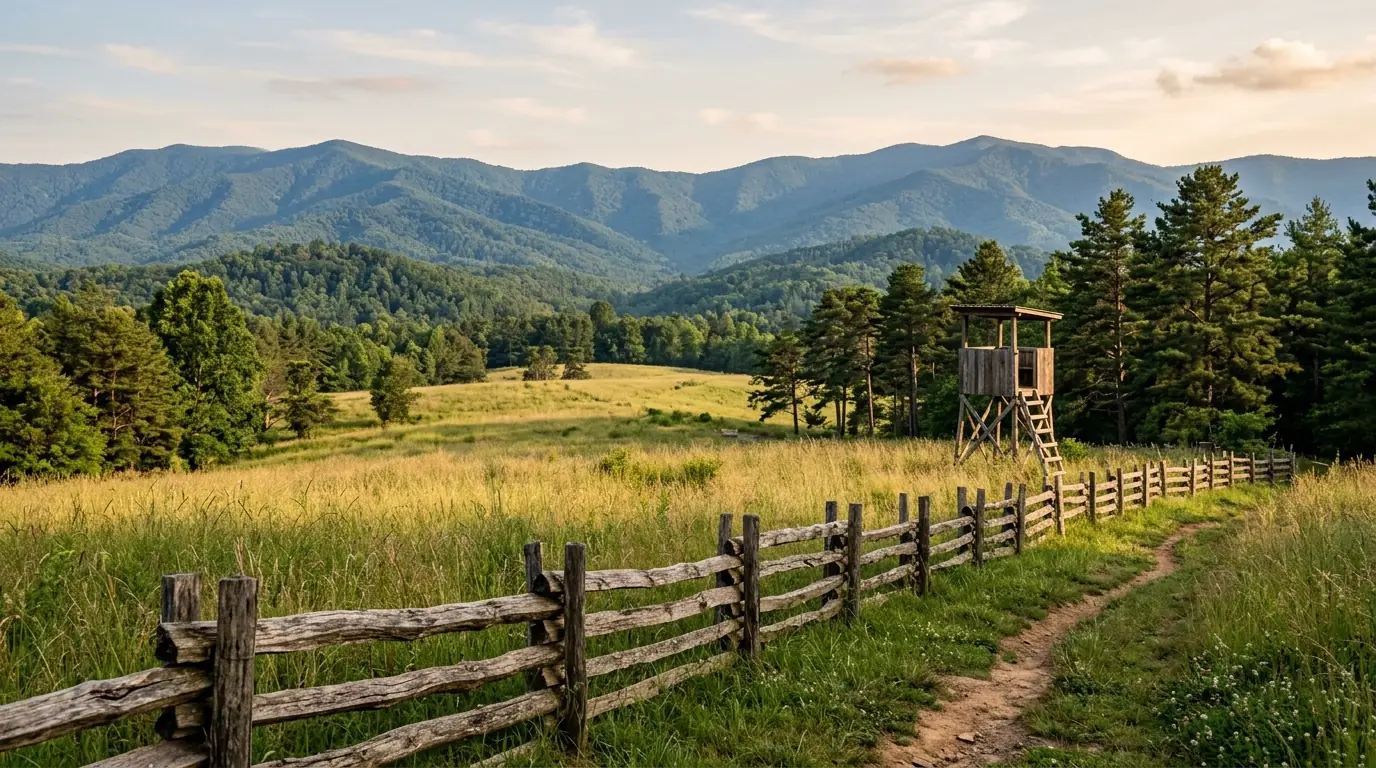
Hunting Land: Hunting land is one of the most frequent applications for owner financing in Georgia. A buyer seeking 30 acres in the North Georgia mountains for deer and turkey hunting often cannot, or does not wish to, pay cash, and cannot obtain conventional financing for unimproved land. A seller who owns the property outright can offer financing directly, collect monthly payments, and retain a security deed as protection. Buyers evaluating owner financed land in Georgia: mountains, farms, and rural properties should pay close attention to timber rights, deeded year-round road access, natural water sources, and existing hunting leases.
Farmland and Pasture: Georgia’s agricultural land market spans from large commercial farms in the flatlands to small 5- to 20-acre pasture properties in the piedmont and mountains. Smaller agricultural parcels that fall below minimum acreage thresholds for institutional agricultural lenders frequently utilize seller financing. Buyers should review NRCS soil surveys, existing agricultural leases, Farm Service Agency (FSA) program records, and water rights for irrigation.
Mountain Properties: North Georgia mountain land in Lumpkin, Dawson, Union, Gilmer, Towns, and surrounding counties is among the state’s most active seller-finance markets. Buyers interested in area-specific opportunities can explore Dahlonega owner financing for mountain property . The combination of rugged terrain, limited buildable sites, and small parcel sizes makes conventional financing difficult, even as demand from Atlanta-area buyers remains strong.
Before purchasing mountain or rural acreage, always verify legal deeded road access, perform a percolation test for septic feasibility, and confirm timber rights or active agricultural leases to protect your long-term investment.
Do not harvest timber or clear-cut land without explicit authorization in your financing agreement. Most seller-financed legal documents prohibit acts that diminish the property value prior to loan satisfaction.
Structuring and Due Diligence for Georgia Land Transactions
Owner-financed land transactions follow the same fundamental legal structure as residential owner financing in Georgia, utilizing a promissory note, security deed, and warranty deed at closing. Detailed instructions on structuring these agreements can be found in how to structure an owner-financed deal in Georgia as well as how to structure an owner financing agreement in Georgia .
Land transactions involve specific financial and practical considerations:
- Down Payments: Because raw land lacks a residential structure as collateral, sellers typically require a substantial down payment to mitigate default risk. Confirm specific required amounts directly with the seller or listing broker.
- Loan Terms: Seller financing arrangements for land frequently run 5 to 15 years and may include balloon payments, with the expectation that the buyer pays off the balance, sells, or refinances.
- Interest Rates: Rates are fully negotiable between buyer and seller but generally reflect the risk profile of unimproved property.
Always verify septic percolation feasibility prior to closing, inspect steep driveways for emergency vehicle access, and request utility line extension cost estimates from local providers.
Frequently Asked Questions
Can I build a cabin on owner-financed land while I’m still making payments?
Generally yes, but the promissory note and security deed may have provisions about improvements. Review the documents and discuss your plans with the seller before assuming you can build freely.
Is timber harvesting allowed while I’m buying land on owner financing?
This depends on what the security deed and promissory note say. Most seller-financed notes prohibit waste (acts that damage the security, including clear-cutting) without lender approval. Harvesting timber without permission could trigger a default clause.
What happens if I miss payments on owner-financed land?
The seller can initiate foreclosure under the security deed. Georgia’s non-judicial foreclosure process can move faster than judicial foreclosure in some states, typically running about 60 days from notice to sale. Communicate with the seller if you’re facing financial difficulty — most sellers prefer to work something out rather than foreclose.
Are there owner financing options for large tracts (100+ acres)?
Yes, but larger transactions typically require sellers who own the land outright (no existing mortgage), and terms may be more complex. Some sellers of large tracts will finance portions of the purchase while requiring cash for the balance.
Looking for North Georgia real estate?
Search available rural acreage, land, and mountain properties across North Georgia.
Search North Georgia homes with Gold Peach Realtyor call (770) 283-1223